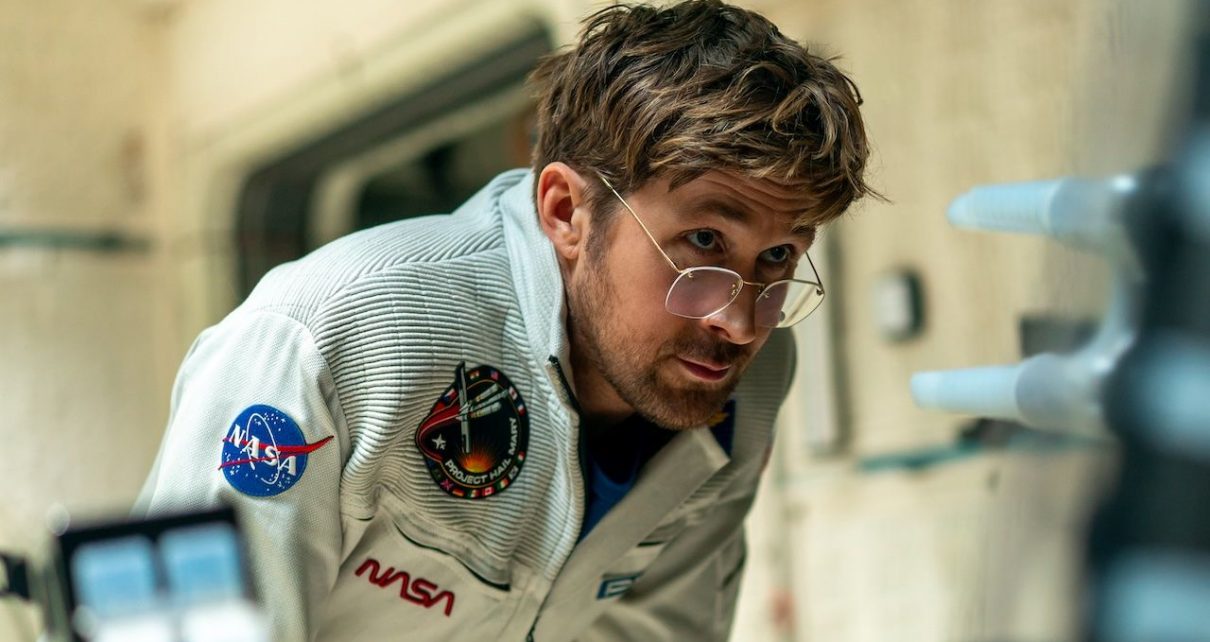
Project Hail Mary had a strong theatrical rollout. It’s earned praise from critics, performed well at the box office and even surpassed the novel it’s based on in certain respects. Much of that success seems tied to the attention to detail shared by both the film and its source material. That commitment to accuracy even extends to a humorous moment in the movie that a real scientist has confirmed is technically correct. And once you hear that detail, it’s hard not to laugh.
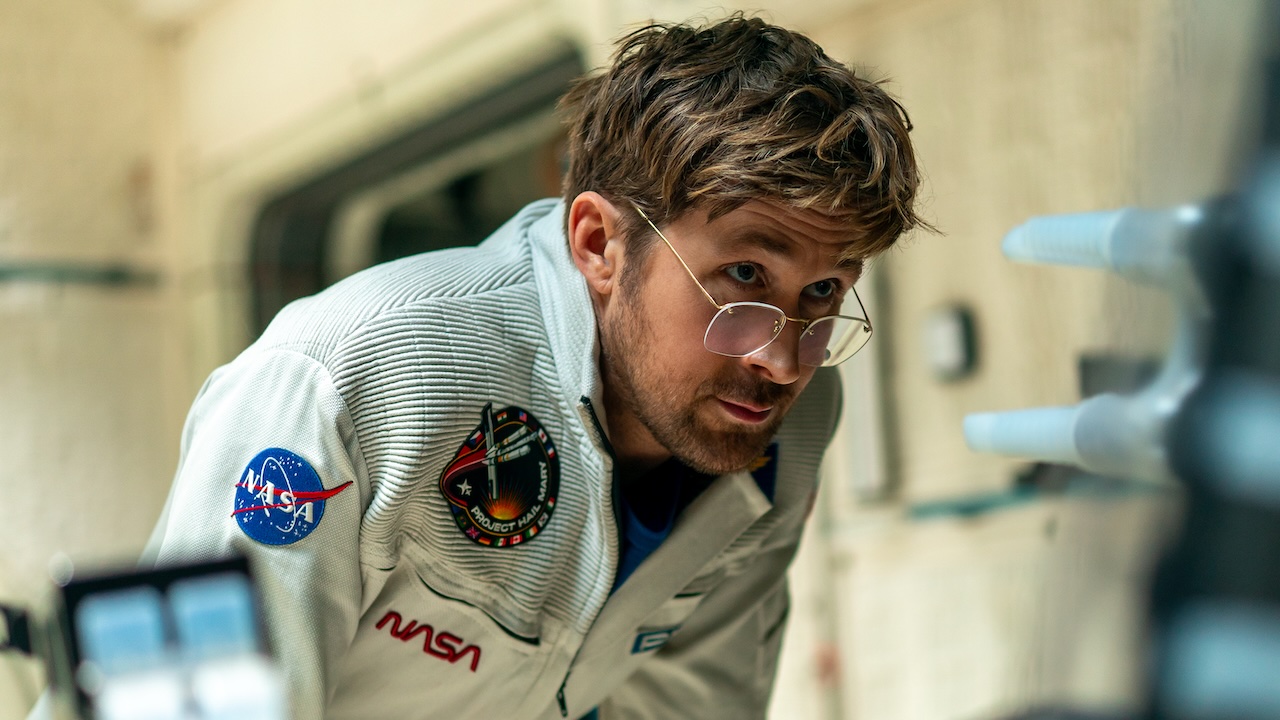
Among the many scientific details the Ryan Gosling-fronted 2026 movie schedule entry gets right, there’s one smaller, unexpected tidbit that stands out: how astronomers name things. Speaking with the New York Times, Mark Popinchalk, a postdoctoral fellow at the American Museum of Natural History, pointed to the less-than-cool names, such as Tau Ceti e, noting that they reflect reality. He explained to the outlet:
It’s true, astronomers are not good at naming things. That’s an actual astronomy thing.
The sheer irony of this revelation is just too funny, especially considering the discussions that have surrounded PHM since its release. It’s hilarious to think that amid the deep conversations unfolding about what’s accurate in the film and what’s not, astronomers lacking when it comes to naming skills is among the elements that’s receiving praise.
Directed by Phil Lord and Chris Miller, the film follows Ryland Grace (Gosling), a middle school teacher who awakens from a coma aboard a spacecraft orbiting the distant star Tau Ceti. With no memory of how he got there, Grace gradually pieces together his mission: a microscopic organism is draining energy from the sun, threatening Earth with a catastrophic freeze.
Tau Ceti appears to be the only nearby star unaffected, prompting a desperate mission to uncover why. After losing his crewmates during the journey, Grace encounters an alien lifeform he eventually befriends, a turning point that reshapes the mission.
As alluded to, Popinchalk’s remarks are part of a larger conversation about how scientifically grounded Project Hail Mary really is, and experts suggest the answer falls somewhere in between. A book-to-screen adaptation of Andy Weir’s best-selling 2021 novel, the film leans into the traditions of hard science fiction, blending speculative ideas with real-world principles. That approach has fueled ongoing chats among audiences and scientists alike, with debates spanning everything from space travel mechanics to the plausibility of alien biology.
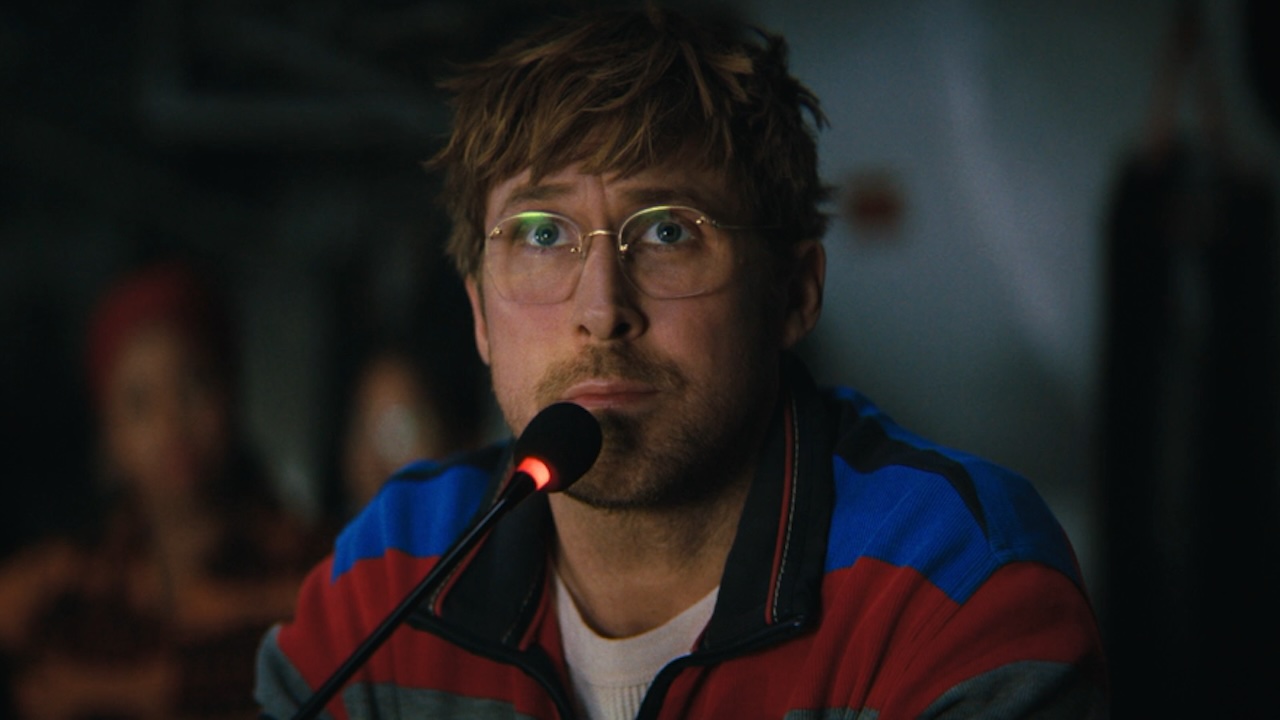
At the center of the story is a fictional microorganism known as an astrophage, which can absorb stellar energy and threaten the balance of entire solar systems. While that concept stretches scientific credibility, experts note that much of the film still gets key principles right. Elements like the silence of space, the mechanics of spacewalks and rotational gravity are all depicted with a level of care that stands out within the genre.
Even some of the more speculative ideas have roots in real science. Researchers have been able to crystallize gases like xenon under certain conditions, and light-based propulsion concepts have been explored in theoretical physics. At the same time, scientists acknowledge that parts of the film take creative liberties, particularly in how microbes behave in space or in the scale of their potential impact on a star.
With bad naming conventions in mind, the general consensus among experts is that the film strikes a fair balance between imagination and plausibility. As one astrophysicist noted, none of the film’s scientific leaps were so far off that they broke the experience entirely, unlike in many large-scale science fiction films.
For a movie built on big ideas and high-concept science, it’s a small, almost throwaway detail about naming conventions that ends up being one of its most accurate. And in a film filled with cosmic threats and interstellar travel, that tiny moment of truth might be one of its most satisfying. Catch it streaming on MGM+